In strong markets, many renovations appear to “work.” Appreciation and buyer urgency can mask poor renovation choices. But when markets shift and demand softens, only certain upgrades continue to hold value, support pricing, and move properties quickly.
For fix and flip investors, the goal isn’t just adding value it is adding durable value that survives changing market conditions.
Here’s which renovations consistently hold up when the market shifts and which ones often don’t.
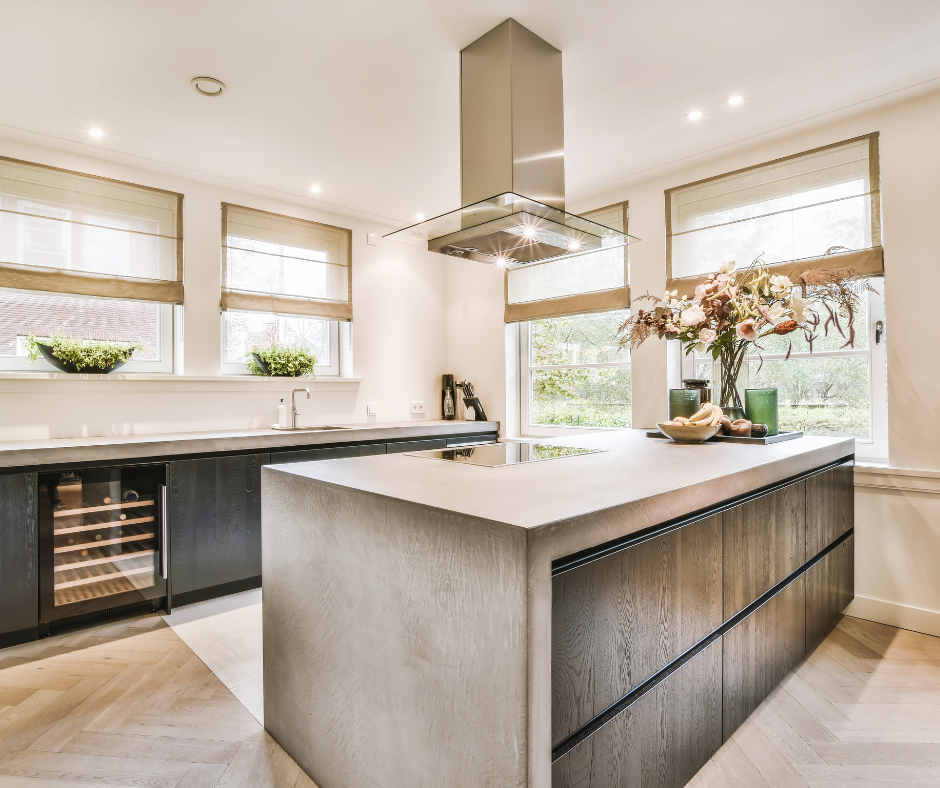
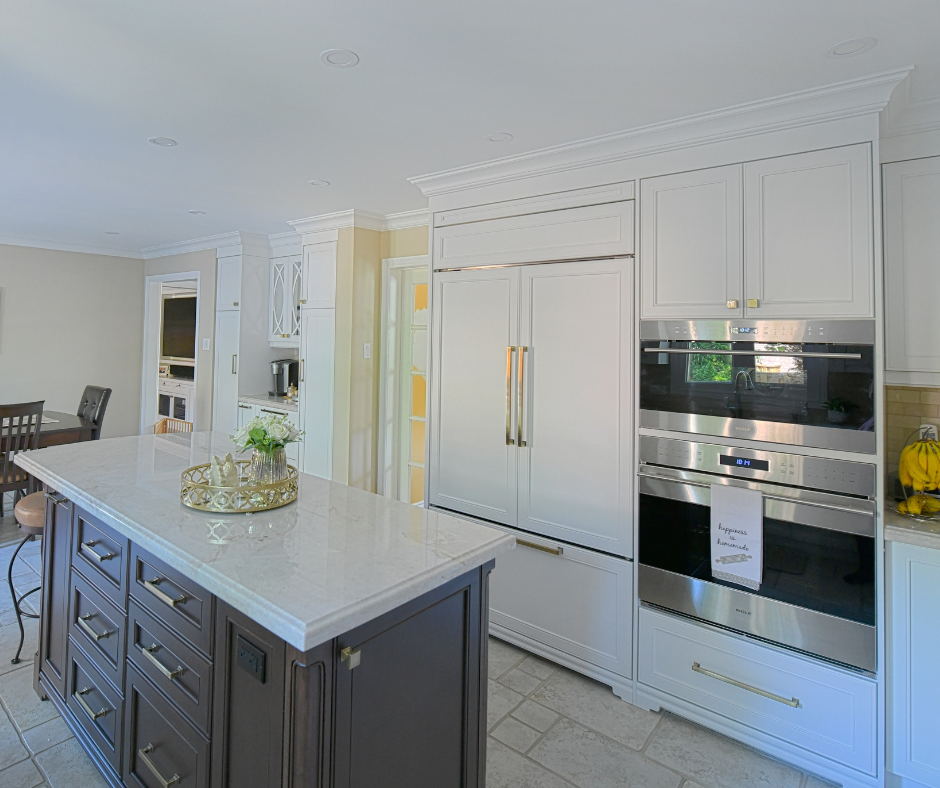
1.Kitchens That Prioritize Function Over Flash
The kitchen is still the most important room in the house, but restraint matters.
Renovations that hold value:
Updated cabinets with simple, timeless profiles
Durable countertops (quartz over marble)
New appliances (mid-range, not luxury)
Improved lighting and layout
Clean, neutral finishes
What loses value in softer markets:
Ultra-high-end appliances
Custom cabinetry
Trend-heavy colors or materials
Buyers want kitchens that feel updated, practical, and move-in ready, not over-designed
2. Bathrooms That Feel Clean, Modern, and Reliable
Bathrooms sell confidence. When markets slow, buyers become more inspection-focused and risk-averse.
Renovations that hold value:
Updated vanities
New tile or surround
Modern Fixtures
Fresh flooring
Good ventilation and lighting
What doesn’t hold value:
Overly ornate tile patterns
Designer fixtures with maintenance concerns
Expensive customization in secondary baths
A clean, modern bathroom removes objections, which matters more when buyers have options.
3. Flooring That is Durable and Neutral
Flooring has a major impact on first impressions and buyer confidence.
Best value-holding options:
Luxury vinyl plank
Engineered hardwood
Clean, consistent flooring throughout the home
Lower-performing upgrades in slow markets:
Mixed flooring styles
Specialty materials with long lead times
Finishes that show wear quickly
Durability and consistency outperform luxury when demand softens.
4. Mechanical and Structural Updates Buyers Can’t Ignore
When buyers get cautious, they prioritize certainty.
Renovations that hold value exceptionally well:
New or serviced HVAC
Updated electrical panels
Modern plumbing
Roof repairs or replacement
Windows in poor condition
These upgrades may not photograph as well, but they:
Reduce inspection issues
Support appraisals
Speed up buyer decisions
Protect pricing power
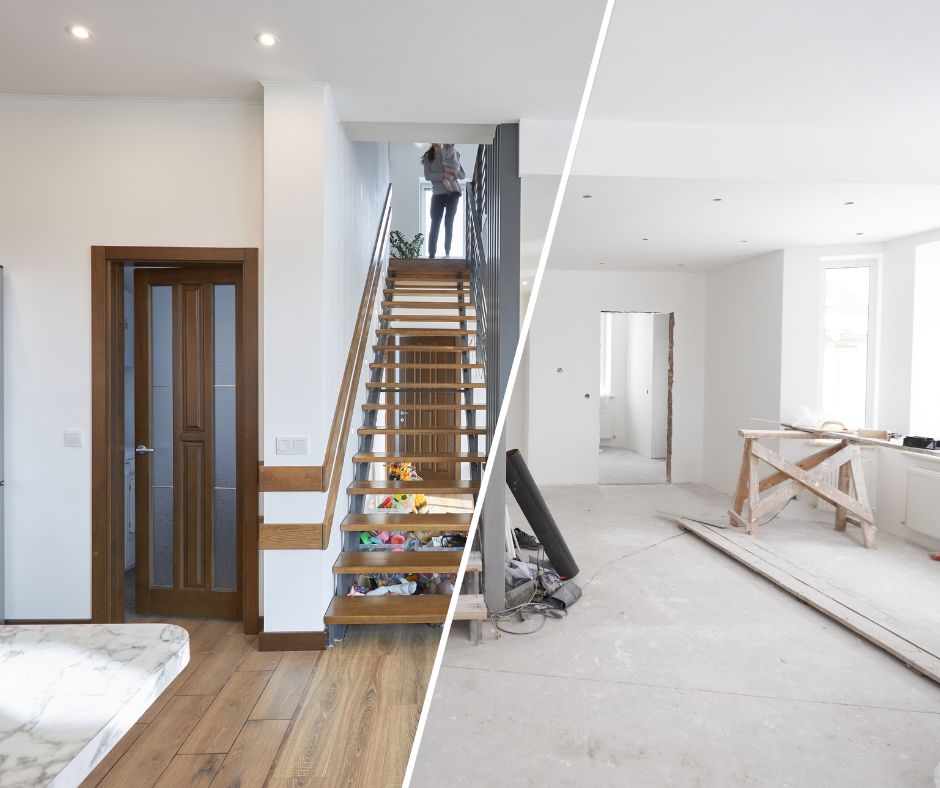
5. Layout and Flow Improvements
Even modest layout improvements can outperform expensive finishes.
Examples:
Opening kitchens to living areas
Improving bedroom access
Adding functional storage
Creating defined dining or work-from-home space
Buyers will often pay more for better flow than for premium materials.
6. Exterior Improvements and Curb Appeal
Curb appeal holds value in every market, but especially slower ones.
High-ROI exterior upgrades include:
Fresh paint or siding repair
Updated front door
Clean landscaping
Improved lighting
Functional outdoor spaces (not luxury)
First impressions matter more when buyers are selective.
7. Energy Efficiency and Practical Upgrades
As affordability tightens, operating costs matter more.
Renovations that increasingly hold value:
Energy-efficient windows
Insulation improvements
Smart thermostats
LED lighting
Water-saving fixtures
These upgrades support buyer confidence and long-term affordability, even if they don’t headline the listing.
Renovations That Lose Value When Markets Shift
When demand softens, these upgrades are often he first to disappoint:
Luxury appliances in entry-level neighborhoods
Highly personalized design choices
Custom features without broad appeal
Specialty materials with long lead times
Overbuilt spaces relative to comps
In shifting markets, buyers reward simplicity and certainty, not extravagance.
The Bottom Line
When markets shift, renovations that hold value share three traits:
They improve function.
They reduce buyer risk
They match neighborhood expectations
Smart flippers renovate for resilience, not hype. By focusing on kitchens, bath, flooring, mechanics, layout, and curb appeal, you protect profit — regardless of here the market goes next.