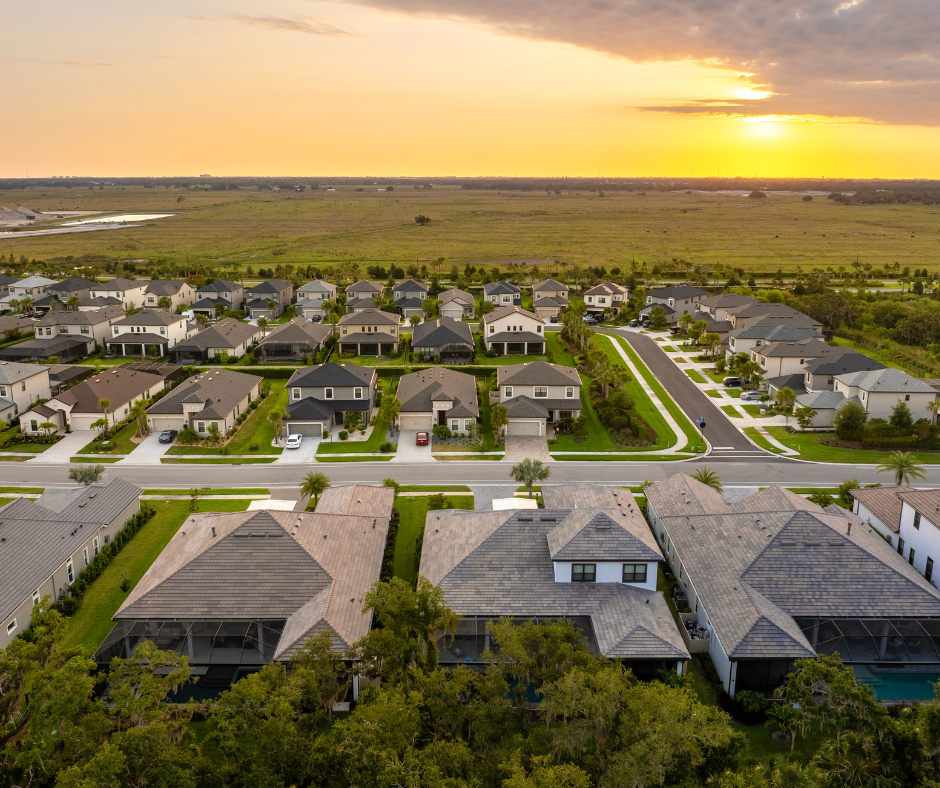
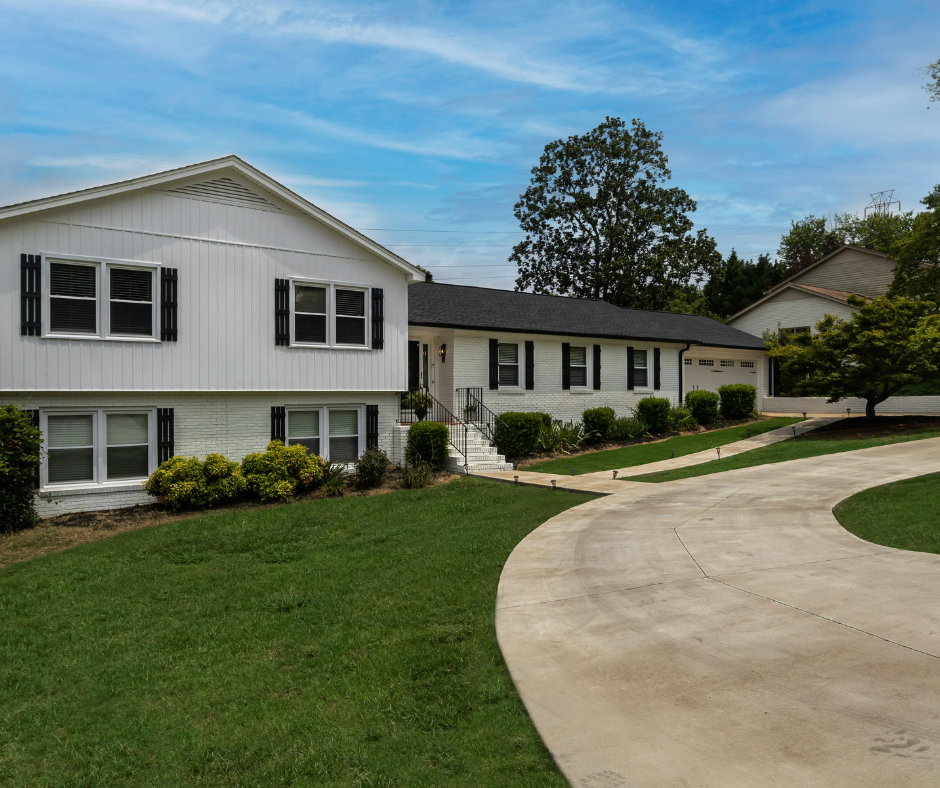
Not all markets are created equal. Two cities can have similar home prices, yet one consistently produces profitable fix and flips while the other drains time and capital. The difference often comes down to whether a market is truly investor-friendly.
An investor-friendly market isn’t just affordable. It supports efficient execution, predictable exits, and scalable growth. Here’s how to identify markets that help investors win, not fight uphill battles.
1. Strong, Consistent Buyer Demand
Investor-friendly markets have a deep buyer pool, not just occasional spikes in demand.
Look for:
Steady population growth or stability
Job diversity (healthcare, logistics, manufacturing, education, tech)
Demand for entry-level and mid-priced homes
Short-to-moderate days on market
Strong buyer demand means:
Faster exits
Less need for price cuts
Lower holding costs
2. Affordable Price Points with Room for Margin
The best flip markets balance affordability with upside.
Investor-friendly pricing often includes:
Purchase prices that allow discounted acquisition
Renovation costs that don’t exceed neighborhood ceilings
ARVs supported by multiple recent comps
Entry-level price points accessible to financed buyers
Markets where prices are already stretched leave little room for error.
3. Predictable Renovation Costs
Consistency matters more than cheap labor.
Good markets for investors typically have:
Reliable contractor availability
Stable labor pricing
Access to materials without long lead times
Trades familiar with flip-style rehabs
When renovation costs are predictable, budgeting becomes repeatable and scaling becomes possible.
4. Reasonable Permitting and Inspection Processes
Investor-friendly markets don’t require months of waiting just to move forward.
Look for:
Clear permit requirements
Reasonable inspection timelines
Consistent enforcement (not arbitrary)
Local familiarity with renovation projects
Slow or unpredictable permitting is one of the biggest silent profit killers in house flipping.
5. Landlord and Investor Neutral Regulations
Even if your primary strategy is flipping, regulatory environment matters.
Favorable markets typically have:
Clear property rights
Reasonable transfer taxes
Manageable zoning restrictions
Predictable local ordinances
Heavy regulation increases risk, delays, and carrying costs, especially when plans change.
6. Appraisals That Support Renovation Value
An investor-friendly market supports value creation - not just raw pricing.
Strong appraisal environments include:
Plenty of renovated comps
Appraisers familiar with flips
Clear value adjustment patterns
Fewer surprises at the finish line
Markets with thin comp data makes exits unpredictable
7. Healthy Transaction Volume
Volume equals liquidity.
Markets with:
Frequent home sales
Active real estate agents
Competitive listings
… allow investors to enter and exit without getting stuck. Liquidity matters just as much as price appreciation.
8. Local Professionals Who Understand Investors
Great markets have ecosystems that support investing
That includes:
Investor-savvy agents
Title companies experienced with flips
Contractors who understand draw schedules
Lenders active in the area
When the local ecosystem “gets it,” deals move faster.
9. Flexibility Across Market Cycles
The best investor-friendly markets to work in:
Hot markets
Balanced markets
Slower markets
These are areas where:
Homes can sell or rent
Demand isn’t dependent on speculation
Entry-level housing remains needed
Flexibility protects you when conditions shift.
10. The Bottom Line
An investor-friendly market isn’t just cheap or trendy, it is efficient, predictable, and liquid. These markets allow investors to focus on execution instead of fighting regulations, delays, and weak demands.
The best investors don’t chase headlines. They choose markets where fundamentals support repeatable success.