
What Makes a Property “Unflippable”?
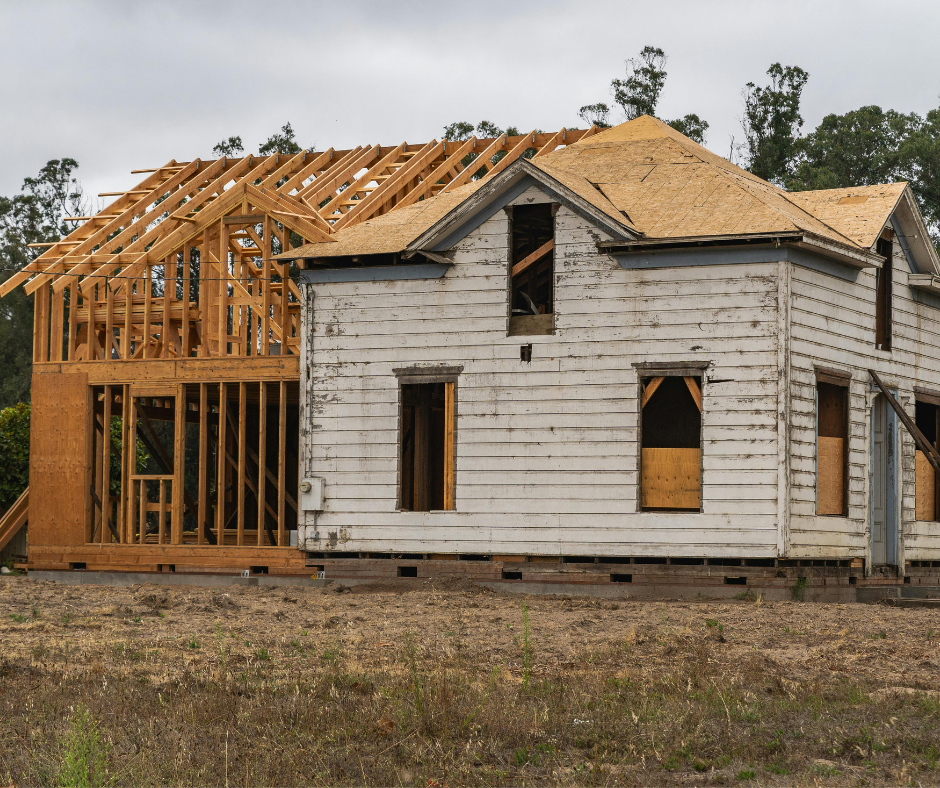
Every investor dream of finding the next profitable flip, but not every property can (or should) be saved. Some homes carry hidden costs, legal complications, or structural issues, so severe that they erase your profits before you even start.
Structural Problems That Cost More Than They’re Worth
A new roof or fresh flooring can boost value, but foundation cracks, bowed walls, or sinking slabs are red flags. These repairs often require permits, specialists, and tens of thousands of dollars.
Warning signs of structural trouble:
Cracks wider than 1/4 inch in walls or floors
Doors and windows that don’t align
Uneven floors or sloping basements
Investor tip: If the structural fix exceeds 20-25% of ARV, the deal may no longer make sense.
Location Issues You Can’t Renovate Away
You can change cabinets, but you can’t change a busy highway, high-crime area, or declining school district.
Even the most beautiful renovation will struggle to sell if the surroundings turn buyers off.
Ask yourself:
Would you live there or recommend to someone you trust?
If the answer is no, walk away, no amount of granite or paint can fix location.
Title or Legal Complications
Some properties look perfect until you dig into the paperwork.
Common deal-killers:
Clouded title or missing heirs
Unpaid tax liens or HOA judgements
Pending foreclosure or bankruptcy complications
Zoning violations or unpermitted additions
Clearing these can take months or years, time you can’t afford in a short-term flip.
Over-Improved or Oversized for the Market
Adding too many luxury upgrades in a modest neighborhood can actually hurt resale value. If the finished product ends up far above comparable homes (comps), it can sit unsold.
Example:
Installing a $60,000 kitchen in a $200,000 neighborhood won’t raise the ARV enough to justify the spend.
Pro tip: Always build for your buyer pool, not your personal taste.
Environmental and Utility Issues
Properties with mold, asbestos, septic failure, or well contamination can sink into your budget. Cleanup requires licensed professionals, documentation, and often municipal oversight.
These costs don’t just eat profit, they delay timelines and scare buyers (and lenders).
Unrealistic ARV or Market Expectations
Even experienced investors fall into the “wishful ARV” trap, overestimating after-repair value based on top comps instead of realistic ones.
If your project relies on:
A “perfect-world” appraisal
Unproven buyer demand
Unfinished neighborhood development
… you’re not investing, you are gambling.
The Bottom Line: Know When to Pass
Every investor wants to say yes, but the most profitable ones know when to say no. If a deal has too many unknowns, too many zeros, or too many delays, it’s probably unflippable. Walking away doesn’t mean failure, it means you’re protecting capital for the next real opportunity.
How Barnett REI Finance Helps You Identify Good Deals
At Barnett REI Finance, we don’t just fund flips, we help investors evaluate them. Our experienced team understands renovation costs, ARV potential, and market risk, helping you structure financing that supports smart decisions, not risky ones.
Call 224-205-7266 to discuss your text project!