
The Most Overlooked Costs in Fix and Flip Projects
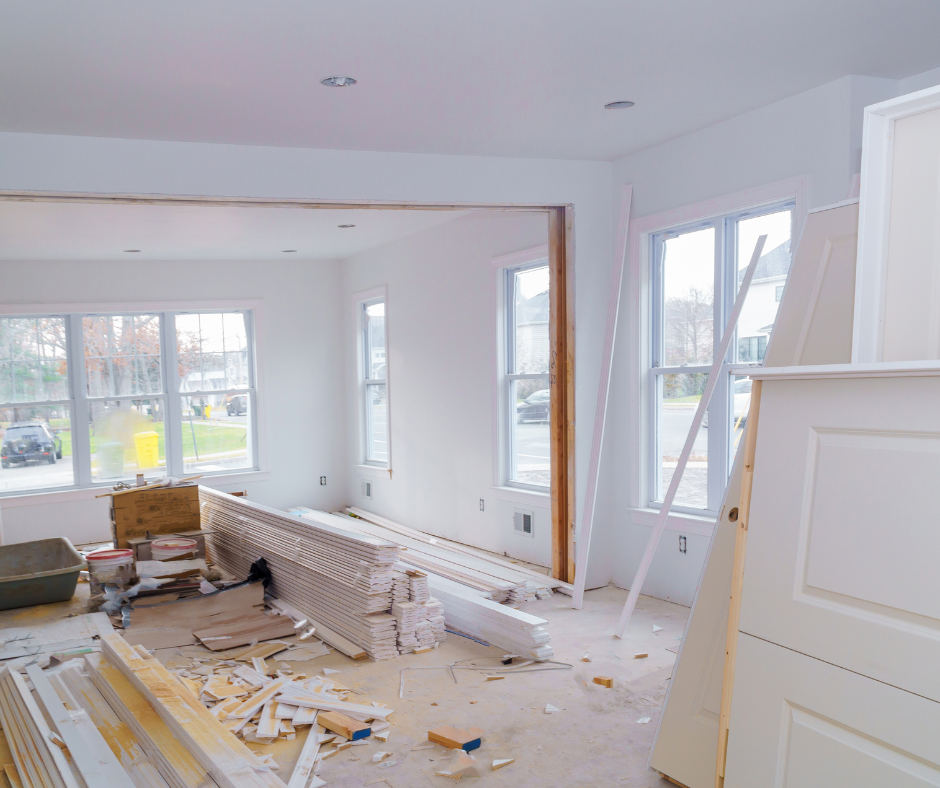
Every fix and flip investor knows about purchase price, rehab budgets, and resale value, but it’s the hidden, often-forgotten costs that sneak up and destroy margins.
Even experienced flippers underestimate certain expenses, especially in fast-moving projects or older homes. To protect your bottom line, you need to know exactly where small numbers can add up to big surprises.
Here are the most common flip costs investors overlook and how to budget for them.
1.Holding Costs: The Silent Profit Killer
Holding costs can accumulate every single day your project sits. They add up quickly.
Often overlooked holding expenses:
Loan interest
Property taxes
Utilities
Lawn care or snow removal
Rule of thumb:
Plan for 10-15% more holding time than your ideal schedule. Renovations rarely finish exactly on time and even one extra month can eat thousands into your profit.
2. Permit fees and inspection Costs
Many investors forget to include permit fees, or they assume the permit process will be quick and inexpensive.
Examples of common, but forgotten permits:
Electrical
Plumbing
HVAC
Structural alterations
Dumpster placement
Occupancy certificates
Depending on the city, the prices for these can range.
Pro tip:
Call your municipality before demo day. Surprise permit requirements can stall your entire project.
3. Waste Removal, Dumpsters, and Hauling
Demo is messy and but dumping it isn’t free.
Costs to budget for:
Dumpster rental fees
Overweight charges
Additional hauls or extensions
Debris removal labor
If you uncover asbestos, mold, or contaminated materials, disposal costs rise substantially.
4. Change Orders and Material Price Swings
Even with a detailed scope of work, most flips run into some form of change order.
Common Causes:
Rotted subfloors
Damaged plumbing behind walls
Non-code wiring
Unavailable materials requiring substitutions
Most investors lose profit because they didn’t budget a contingency.
5. Landscaping and Exterior Cleanup
Curb appeal isn’t optional. In affordable markets, a strong exterior can add thousands in perceived value. Yet many investors forget to budget for:
Tree trimming
Sod or seeding
Driveway repairs
Exterior lighting
Power washing
Fence repairs
These smaller tasks can add up.
6. Insurance and Vacancy Policies
Fix and flip properties require different insurance than regular policies. Investor and vacancy policies can cost more and they’re mandatory for lender funding.
Expect:
Higher premiums
Additional insured fees
Specialty coverage for construction risks
Skipping the right policy exposes investors to massive liabilities.
7. Staging, Photography, and Marketing
Many investors undervalue presentation, but these costs matter if you want top-dollar offers.
Typical fees include:
Professional listing photos
Staging
Virtual tours or drone footage
Realtor marketing fees
These aren’t “nice to have” they directly impact buyer activity and delays on the market.
8. Closing Costs - On Both Sides
You pay closing costs twice:
When you purchase
When you sell
These include:
Title fees
Transfer taxes
Prorated taxes
Escrow
Recording fees
Commissions
Many new flippers underestimate just how much these shrink profit.
The Bottom Line: Real Profit Comes From Realistic Budgets
Underestimating expenses is one of the fastest ways to turn a promising flip into a breakeven, or worse.
The best investors build conservative budgets, include contingency, and track every cost from day one.
How Barnett REI Finance Helps Protect Your Profit
At Barnett REI Finance, we help investors avoid costly surprises by structuring loans with:
Clear rehab budgets
Fast draws to keep projects moving
Lending guidance from our lending expert team
Call 224-205-7266 to fund your next flip with confidence!