
How Draw Schedules Work on Fix-and-Flip Loans
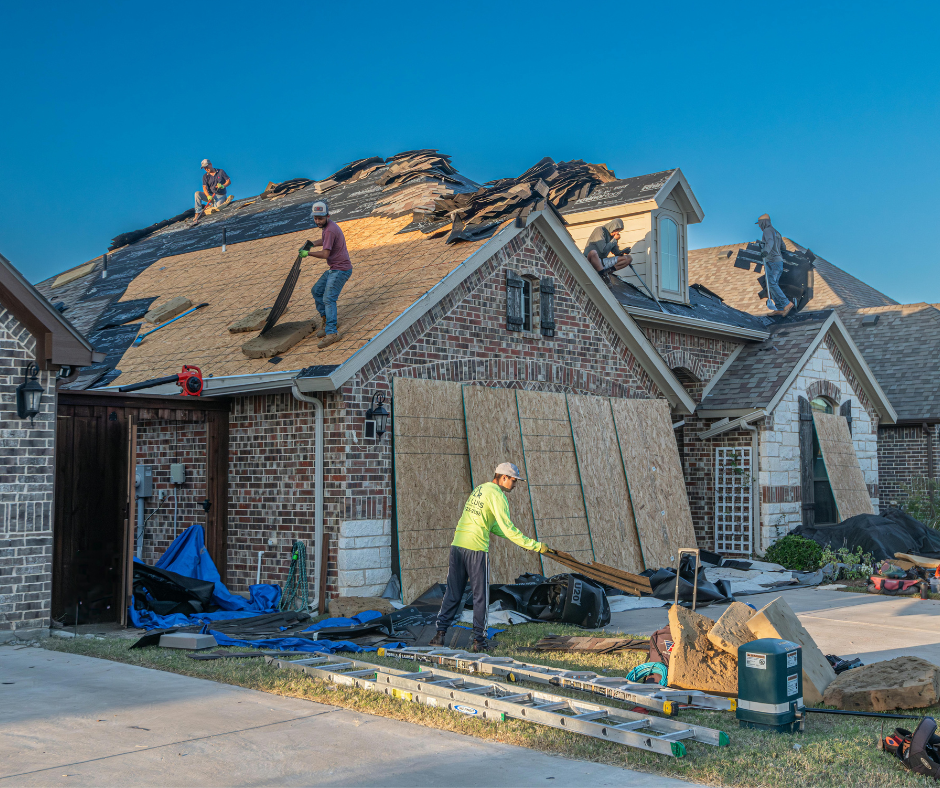
What is a draw schedule and why it matters. In fix-and-flip investing, financing isn’t just about how much you borrow, it is also about how and when you receive your rehab funds. That is where the draw schedule comes in.
A draw schedule controls when your renovation funds are released during the project. Understanding how it works helps you:
Avoid cash flow crunches
Keep contractors paid on time
Prevent construction delays
Protect your profit margins
If you misunderstand the draw process, even a great flip can grind to a halt.
1.What is a Draw Schedule?
A draw schedule is the structured process lenders use to release your construction or rehab funds in stages instead of all at once.
Rather than giving you the full rehab budget at closing, the lender:
Release funds after specific work is completed
Verifies progress through inspections or photo confirmation
Protects both the lender and the investor from misuse of funds
This ensures the project stays on budget and on track.
2. Why Lenders Use Draw Schedules
Draw schedules exist to:
Prevent funds from being spent before work is done
Reduce risk for both the lender and the borrower
Ensure money flows in step with real progress.
Keep projects accountable and documented
They also help investors by enforcing:
Budget discipline
Timeline structure
Cleaner project management
3. How the Draw Process Typically Works
Step 1: Work is Completed
Step 2: Draw Request is Submitted
You submit:
A draw request
Photos of completed work
Step 3: Inspection or Verification
The lender verifies:
Work matches the approved scope
Budget aligns with expectations
This may be done through:
Third-party inspection
In-house review
Photo verification
Step 4: Funds Are Released
Once approved, funds are wired or deposited - typically within a few business days
4. Common Draw Schedule Structure
Line Item Draws
Each rehab line item is funded as completed. This is the most structured and budget- controlled method.
This is the structure that Barnett REI Finance uses.
Percentage-Based Draws
Funds are released based on overall progress (25%, 50%, 75%, etc.) This offers flexibility but requires strong documentation
Milestone Draws
Funds are released after major project phases:
Rough-ins
Drywall
Finish work
Final completion
5. What Can Delay Your Draw Funding
Draw delays can stall renovation timelines. The most common reasons include:
Incomplete work
Missing photos or documentation
Work that doesn’t match the original scope
Failed inspections
Contractor invoiced that don’t match approved budgets
Investor tip: Clear paperwork and clean progress = faster draws.
6. How to Keep Draws Fast and Stress-Free
To avoid delays:
Stick closely to your original scope of work
Take clear, dated photos at every stage
Communicate early if changes are needed
Work with contractors who are knowledgable in draw based funding
Submit requests immediately after completing work
Speed in the draw process keeps your projects moving and protects your timeline.
7. How Draw Schedules Affect Your Cash Flow
Because you’re not receiving all rehab funds upfront, you should:
Maintain some working capital for deposits and early materials
Time material orders to match draw releases
Ensure your contractor understands staged payments
Good draw management keeps you from fronting large amount of cash unnecessarily.
The Bottom Line
Draw schedules aren’t obstacles. they’re project protection. When used correctly, they:
Keep budgets organized
Prevent over-spending
Protect profits
Keep lenders confident
And help your projects move efficiently from demo to sale
The key is working with a lender who makes the draw process fast, clear, and investor-friendly.
How Barnett REI Finance Makes Draws Easy
Fast inspections
Quick fund releases
Clear rehab budgets
Flexible draw structures
Support from a team that understands construction timelines
Call 224-205-7266 to get the funds to start your project!