
What Happens If My Flip Doesn’t Sell Right Away?
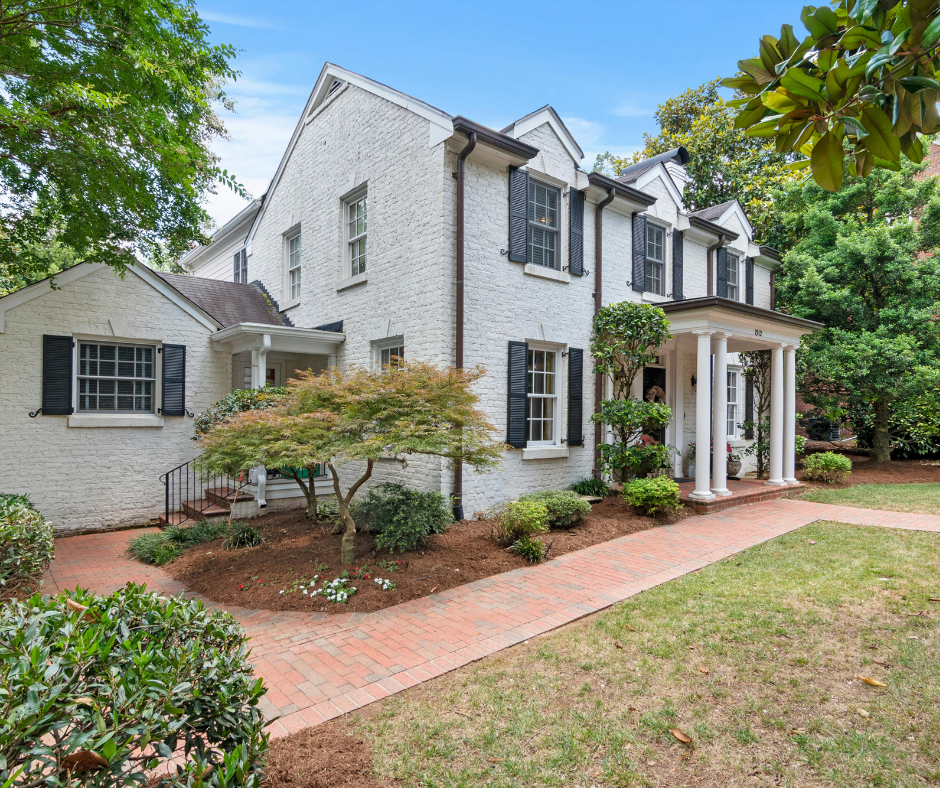
Even the best fix and flip projects don’t always sell immediately. Maybe the market cools. Maybe buyers hesitate. Maybe inventory rises suddenly. Whatever the reason, when a flip sits longer than expected, holding costs and stress start to climb fast.
Here’s exactly what happens when your flip doesn’t sell right away — and the strategies smart investors use to protect your profit.
1.Your Holding Costs Start Adding Up
When a flip sits, your monthly carrying costs stack up quickly:
Loan interest
Property taxes
Insurance
Utilities
Lawn or snow maintenance
HOA fees (if applicable)
A property that sits 30-90 extra days can easily eat thousands of dollars in unexpected costs.
This is why fast closings and fast renovations matter — they reduce timeline exposure
2. Buyer Activity Drops After the First 2-3 Weeks
Most listings get the most attention in the first 14 days.
After that:
Fewer buyers see the listing
The listing goes “stale”
Agents start wondering if something is wrong
You lose leverage
When a flip sits too long, buyers expect price drops, even if the home is perfectly renovated.
3. Appraisals Become More Challenging
If similar homes in the area sell for less while yours sits:
Appraisals may come in lower
Buyers may not get financing
You may be forced to reduce price
Time is not neutral in real estate — It directly affects comparable sales.
4. You Risk Competing With New Inventory
Every week your flip stays on the market, more listings pop up:
Newly renovated comps
Price-reduced listings
Builder inventory
Seasonal surges
Fresh competition means buyers may choose newer listings over yours.
5. Financing Costs Multiply
If your flip sits:
You may need a loan extension
Extension fees may apply
Interest reserves may run out
Out-of-pocket payments increase
These expenses hit your bottom line quickly.
This is why conservative ARVs and realistic pricing matter from day one.
6. Your Exit Strategy May Need to Change
When a flip isn’t selling, professional investors don’t panic — they pivot.
Option 1: Drop the Price Strategically
A small, early price change is often better than a large, late one.
Option 2: Offer Buyer Incentives
Closing cost credits
Rate buydowns
Home warranty
Staging upgrades
Small incentives can revive buyer interest without price cuts
Option 3: Switch to Rental
In strong rental markets, renting the property:
Covers the mortgage
Reduces financial stress
Buys time for the markets to stabilize
Provides long-term cash flow
Option 4: Refinance the Property
A refinance can:
Lower monthly carrying costs
Buy more time
Allow you to hold until the market improves
This is often the smartest move in slow markets.
7. When Should You Actually Worry?
A slow flip is not necessarily a bad flip.
You should start reassessing when:
You’ve gone 30+ days with low showing activity
Appraisals in the area are trending downward
New competitors are undercutting your price
Your carrying costs are bleeding margin
At this point, pivoting is better than waiting.
The Bottom Line
If your flip doesn’t sell right away, don’t panic.
Sitting inventory is common — especially in high-rate markets with cautious buyers.
The investors who survive slow markets are the ones who:
Budget conservatively
Price realistically
Pivot early
Have multiple exit strategies
Work with lenders who understand timelines
A slow flip doesn’t have to be a unprofitable one — if you take action early.