
How to Choose Finishes for a Fix and Flip
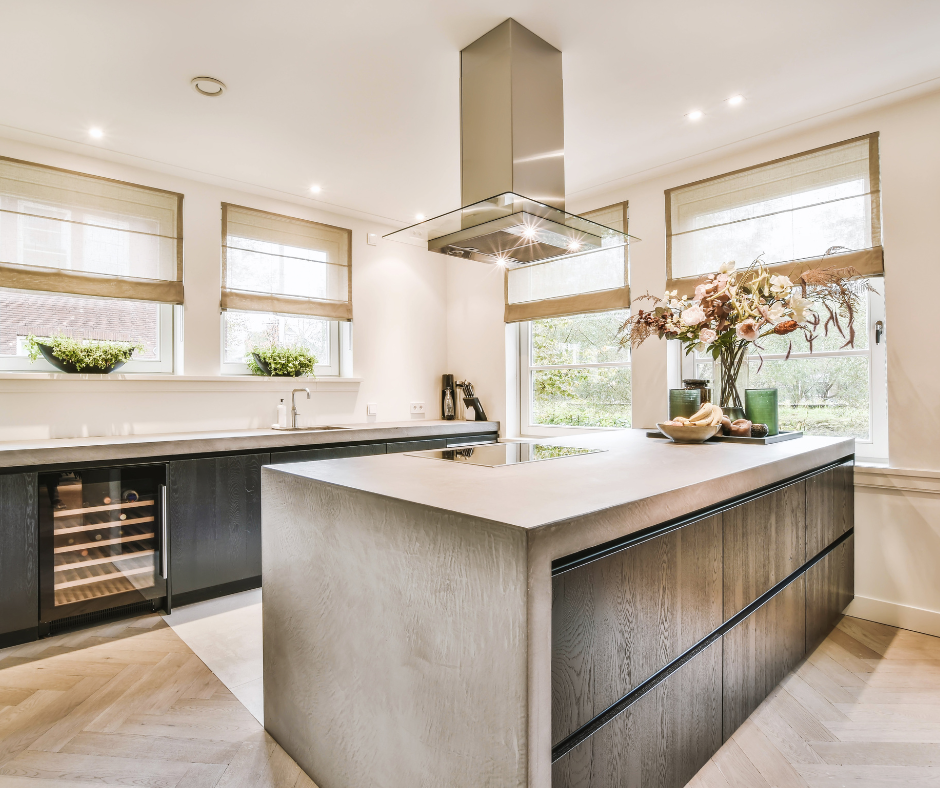
Choosing finishes for a fix and flip isn’t about personal taste, it’s about marketability, speed, and return on investment. The wrong finishes help your property sell faster without inflating your budget.
Smart flippers choose finishes strategically, not emotionally.
Here’s how to do it the right way.
1.Start With the Neighborhood, Not Pinterest
Before selecting anything:
Tour nearby sold flips
Look at current listings
Note price points and buyer expectations
Identify the “ceiling” finish level buyers are payig for
Rule of thumb:
Your flip should feel like one of the nicest homes on the block, not the nicest home money can buy.
2. Prioritize High-Impact Areas
Not all finishes matter equally to buyers
Focus your budget on:
Kitchens
Bathrooms
Flooring
Lighting
Curb Appeal
These areas create the strongest emotional response and influence offers the most.
3. Choose Neutral, Broad-Appeal Finishes
Flips sell best when buyers can picture themselves living there.
Best practices:
Neutral paint colors (warm whites, light greige, soft gray)
Simple cabinet styles
Consistent finishes throughout the house
Timeless materials over trendy
Bold or highly personalized finishes narrow your buyer pool and slow sales.
4. Standardize Whenever Possible
Professional flippers reuse the same finishes again and again.
Benefits of standardization:
Faster material selection
Easier budgeting
Bulk pricing advantages
fewer mistakes
Cleaner final product
Many successful investors use the same:
Cabinet style
Countertop material
Flooring type
Paint colors
Plumbing fixtures
Consistency saves time and money.
5. Balance Cost vs Perceived Value
The most expensive option rarely rarely delivers the best ROI
Examples:
Quartz over marble
Luxury vinyl plank over hardwood
Subway tile over specialty tile
Matte black or brushes nickel fixtures over custom finishes
Buyers care more about look and durability than brand names
6. Avoid Over-Upgrading for the Market
Overbuilding is one of the most common profit killers.
Watch out for:
Custom cabinetry in entry-level neighborhoods
Designer tile patterns that won’t appraise
High-end appliances buyers won’t pay for
Specialty lighting that dates quickly
If buyers in the area aren’t paying premiums for it, don’t install it.
7. Think like an appraiser
Appraisals don’t reward luxury, they reward consistency with comps.
To avoid appraisal issues:
Match finish quality to recent sold properties
Keep finishes consistent across rooms
Avoid extreme contrasts or unusual materials
Focus on functional upgrades buyers expect
Your goal is supported value, not showpiece design.
8. Choose Finishes That Support Speed
Flips make money by moving quickly.
Choose finishes that:
Are readily available
Have reliable lead times
Are easy to install
Can be replaced quickly if damaged
Delays in materials can add weeks and thousands in holding costs.
The Bottom Line
The best finishes for a flip are not the fanciest - they’re the smartest. When you match the market, prioritize high-impact areas, and avoid emotional decisions, you protect your margins and sell faster.
Great flips feel clean, modern, and move-in ready, not overdesigned.