
How to Calculate ARV for a Fix and Flip
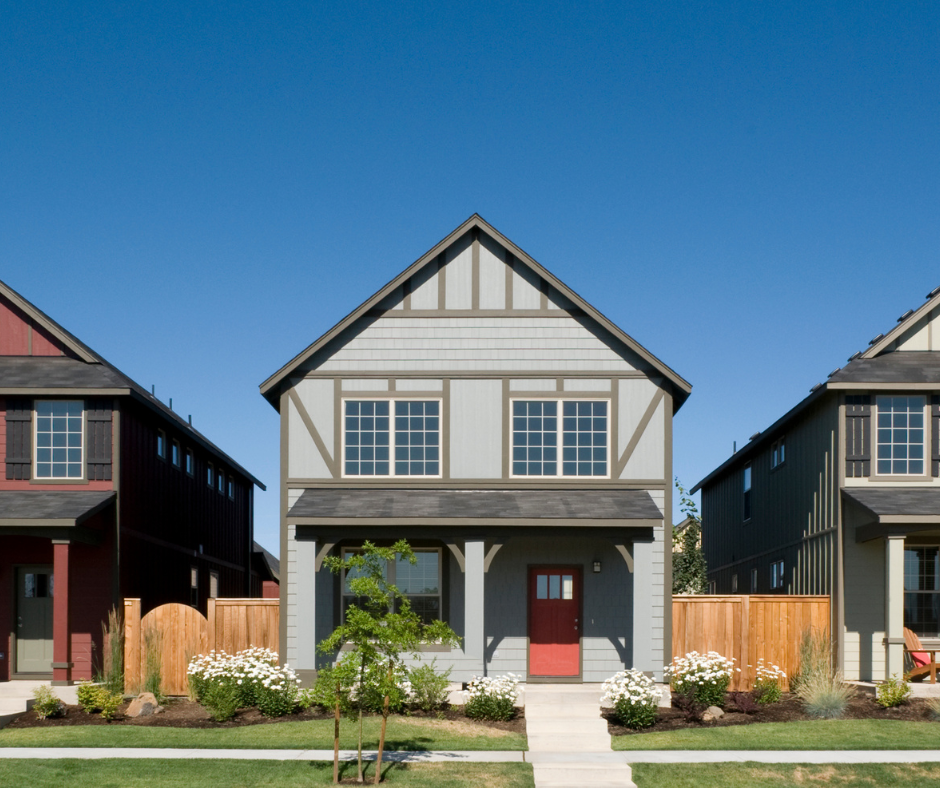
ARV — After Repair Value — Is the single most important number in a fix and flip deal. If your ARV is wrong, your:
Purchase price is wrong
Rehab budget is wrong
Loan size is wrong
Profit projection is wrong
In other words, bad ARV = bad deal
Here’s the exact, proven process professional investors use to calculate ARV accurately — without guessing.
What is ARV?
ARV (After Repair Value) is the estimated market value of a property after renovations are completed. It answers one question:
What will this property realistically sell for once it is fixed up?
ARV is used to determine:
Your maximum purchase price
Your loan amount
Your profit margin
Your risk level
Step-by-Step: How to Calculate ARV Correctly
1.Find the Right Comparable Sales (Comps)
Your ARV is only as good as your comps.
Use sales that are:
Sold (not listed)
Within the last 3-6 months
Within 0.25 - 0.5 miles
Similar in
Square footage
Bed/bath count
Lot size
Property type
Age and construction style
Use renovated homes only — not fixer-uppers
2. Eliminate Outliers
Throw out
Foreclosures sold below market
Family or off-marker discount sales
Luxury rehabs far above the neighborhood norm
Homes on busy roads or alleys
Your goal is normal retail buying behavior, not special situations.
3. Adjust For Size and Features
If your subject property differs from the comps, adjust mentally or on paper for:
Extra or missing bedrooms
Bathroom count
Garage vs. no garage
Finished basements
Additions or porches
These adjustments refine the true market value range.
4. Determine the Realistic Price Range
After narrowing your comps, you should land within a tight price band.
For example:
Comp 1: $295,000
Comp 2: $305,000
Comp 3: $300,000
Your ARV should land inside this range, not above it.
In this example, a realistic ARV is:
$300,000 — not $330,000 “just in case.”
5. Match the Renovation Level — Not Just the House Size
ARV is based on finished quality, not just square footage.
If your comps have:
Quartz countertops
Soft-close cabinets
New windows
Modern layouts
Then your rehab must deliver the same buyer experience to justify the ARV.
Under-renovate = Overestimate ARV = Lost profit
Common ARV Mistakes That Kill Profits
Using active listings instead of sold comps
Using homes from different neighborhoods
Using luxury flips as comps in entry-level areas
Ignoring busy streets, train tracks, or commercial proximity
Assuming appreciation will “save the deal”
Stretching ARV to justify overpaying
Professional flippers would rather lose a deal than force ARV
How ARV is Used to Set Your Maximum Offer
Once ARV is set, investors back into their price using:
ARV - Rehab - Holding - Selling Costs = Max Purchase Price
Example:
ARV: $300,000
Rehab: $60,000
Holding & selling costs: $40,000
Target profit: $40,000
Maximum purchase price: $160,000
If you buy higher than that, you’re trading profit for risk.
How Lenders Use Your ARV
Your ARV determines:
Maximum loan amount
Loan-to-value (LTV)
Loan-to-cost (LTC)
Whether the deal even qualifies for funding
If your ARV is inflated, lenders will:
Reduce your loan
Require more cash
Or decline the deal entirely
Conservative ARVs close faster and protect your margins.
The Bottom Line
ARV is not a guess. It is a defensive investing tool that protects you from:
Overpaying
Over-renovating
Over-leveraging
And under-profiting
Every successful flip begins with one thing:
A conservative, well-supportive ARV.