
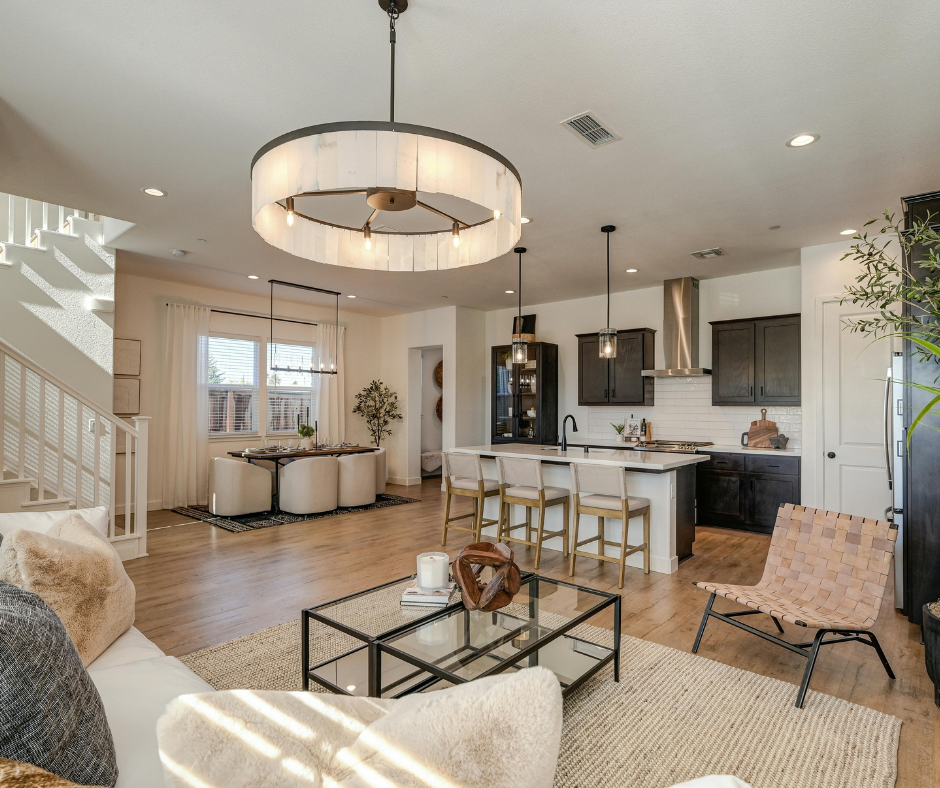
It’s not just price, it is perception. Many fix-and-flip investors assume exit speed is driven purely by the price. While pricing matters, buyer psychology often place an even bigger role in how quickly a property sells.
Two homes can be priced similarly.
One sells in a week.
The other sits for 45 days.
The difference? Perception, emotion, and behavioral triggers.
Understanding buyer psychology helps investors position properties for faster exits, even in slower markets.
1.Buyers Decide Emotionally, Then Justify Logically
Homebuyers often:
Feel the space before analyzing it
Picture their life in the property
Decide within minutes whether it “works”
After that, they justify the purchase using logistics and numbers.
If a flip doesn’t create emotional engagement quickly, exit speed slows — regardless of pricing.
What investors should do:
Prioritize natural light
Use neutral but warm finishes
Stage for lifestyle, not just aesthetics
Remove friction points immediately
Emotion accelerates decisions.
2. Perceived Value Matters More Than Actual Cost
Buyers don’t know what your renovation cost was. They only evaluate perceived value.
For example:
Clean, modern kitchens drive confidence
Updated flooring signals “move in ready”
Fresh paint feels lower risk
But:
Over-custom finishes narrow the buyer pool
Trend-heavy choices reduce mass appeal
If buyers perceive risk, they hesitate.
Hesitation increases days on market.
3. Scarcity and Urgency Influence Speed
In competitive markets, buyers move faster because:
Inventory is limited
They fear losing the property
Comparable options are scarc
In softer markets:
Buyers slow down
Negotiation increases
Perfection becomes the expectation
Understanding the inventory landscape helps investors:
Adjust pricing strategy
Stage more intentionally
Respond faster to feedback
4. Price Anchoring is Powerful
The first price buyers see sets a psychological anchor.
If priced too high initially:
Buyers anchor to that value
Future reductions feel like “something is wrong”
Momentum slows
Strategic initial pricing often drives faster exits than aggressive starting points followed by reductions.
Speed can protect profit.
5. Buyer Fatigue Slows Exits
In markets with high inventory:
Buyers tour many homes
Decision fatigue increases
They compare aggressively
Your property must:
Stand out visually
Feel simple and move-in ready
Remove obvious objections
Clarity accelerates commitment.
6. Risk Perception Impacts Offera
Buyers subconsciously ask:
Is this property going to cost me more later?
Were corners cut?
Is pricing justified?
Even small signs of:
Poor workmanship
Unfinished details
Deferred maintenance
… increase perceived risk and slow offers.
Professional presentation reduces hesitation.
7. Social Proof Drives Momentum
When buyers see:
Strong showing traffic
Early interest
Pending activity in the neighorhood
They move faster.
Strategic launch timing, strong photography, and early marketing
What This Means for Investors
Exit speed isn’t random.
It’s influenced by:
Pricing psychology
Presentation
Market inventory
Risk perception
Emotional engagement
Investors who understand buyer behavior can:
Price more strategically
Renovate with broader appeal
Reduce days on market
Protect profit margins
The Bottom Line
Buyer psychology doesn’t replace strong fundamentals — but it amplifies them.
The fastest exits happen when:
Value is clear
Risk feels low
Pricing is strategic
Emotion aligns with logic
Understanding how buyers think is just as important as understanding the numbers.